

Buddhist tribute : ค้นหาหนังสือธรรมะ หน้า 20 / 60
หน้าหนังสือทั้งหมด
4
The Path to Dhamma: Understanding Dhammakaya Meditation
Contents
Acknowledgements
Foreword.
4
• 5
Preface⚫ 6
AIM IN LIFE.
9
THE IMPORTANCE OF DHAMMAKAYA • 19
REASONS TO MEDITATE.
27
MEDITATION TECHNIQUE ⚫ 37
MAINTAINING MEDITATION IN EVERYDAY LIFE⚫ 57
ELEM
This book explores the principles of Dhammakaya meditation, emphasizing its importance in achieving a peaceful mind and integrating meditation into daily practices. It offers insights into the lifesty
72
Elements of Buddhist Lifestyle: Choice of Words
ELEMENTS OF BUDDHIST LIFESTYLE
55.Choice of Words
Words that hinder
others' stillness and peacefulness of mind
should never pass our lips.
Much less comments that discourage others
from practising med
This text emphasizes the importance of choosing words that foster stillness and peace in others. It suggests avoiding comments that discourage meditation and instead encourages speaking positively to
76
Elements of Buddhist Lifestyle
ELEMENTS OF BUDDHIST LIFESTYLE
57.Things Worth Saying
The nature of the arahants
is to speak only the truth -
which is of true benefit.
Anything which is not true
or which is of no benefit,
they keep
This text highlights important elements of a Buddhist lifestyle, emphasizing the significance of speaking truthfully like arahants, the necessity of exercise for health, and the importance of gratitud
80
Elements of Buddhist Lifestyle
ELEMENTS OF BUDDHIST LIFESTYLE
62.First Step on the Journey
Before setting out on a long journey,
invite all the Buddhas
to protect you and everyone with you,
and to allow you
to be received hospitabl
This excerpt emphasizes the significance of setting intentions before embarking on a journey. Practitioners are encouraged to invite the Buddhas for protection and goodwill. The act of seeking a hospi
82
Elements of Buddhist Lifestyle
ELEMENTS OF BUDDHIST LIFESTYLE
64.Maha Dhammakaya Cetiya
The inauguration of the Maha Dhammakaya Cetiya¹4
is going to be a great merit
because it will allow us to get
the upper hand in the struggle ag
The inauguration of the Maha Dhammakaya Cetiya is a significant event in the Buddhist lifestyle, representing a merit that aids practitioners in overcoming Mara. It symbolizes the pursuit of the Unive
10
Dhammakaya Meditation Training and Retreats
The temple conducts various Dhammakaya
Meditation training sessions and retreats for
the interested general public as well as private
and public organizations at their requests.
* About 5,000-15,000 p
The Dhammakaya temple offers various meditation training sessions and retreats tailored for both the general public and organizations upon request. Every Sunday, between 5,000 to 15,000 participants g
13
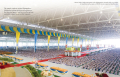
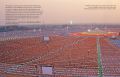
Grand Meditation Stadium for World Peace
The temple is constructing the Grand Meditation Stadium for
World Peace where Buddhists and peace lovers of other faiths
can come to meditate together for individual happiness and
world peace. The two
The temple is constructing the Grand Meditation Stadium for World Peace, inviting Buddhists and peace lovers to meditate together. This two-storey structure will accommodate one million people for the
25
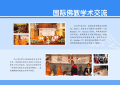
国际佛教学术交流
2010年9月29日,泰国法身寺佛法卫星频道(DMC)与斯里兰卡佛法卫星频道(The Buddhist TV Channel)签约,加强两国间的文化交流,得到斯里兰卡僧王的慈心,特地来菲签约仪式的僧团主席,初步达成共识,Buddhist TV每天给DMC频道播2个小时, 将有趣的佛法知识在斯里兰卡播送。
2011年8月27日泰国法身寺与牛津大学,伦敦国王学院以及爱尔兰科技大学
35
Evening Chanting: Supreme Praise to the Triple Gem
Evening Chanting
[1] Supreme Praise to the Triple Gem
Ratanattayavandana
Yo so bhagavā arahāṁ sam'māsambuddho,
Sva kk to yena bhagavatā dhammo,
Supa t paniyo yassa bhagavato sāvakasa ngho,
Tammāyaṁ b
Evening Chanting contains sacred verses praising the Triple Gem, focusing on the Buddha (the enlightened one), the Dhamma (his teachings), and the Sangha (the community of followers). These chants fun
24
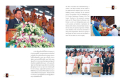
Memorial Service Led by Phra Dhammakittivong
The Most Venerable Phra Dhammakittivong, a scholar of the Royal Academy and the Abbot of Wat Raja-Orosaram, Bangkok, agreed to lead the Buddhist monastic community for the memorial service. The presid
The Most Venerable Phra Dhammakittivong, a respected scholar and Abbot of Wat Raja-Orosaram, led the Buddhist monastic community in a memorial service attended by dignitaries including H.E. Suchon Cha
29
คำพูดแห่งความวิรัติในพุทธศาสนา
พระสัมมาสัมพุทธเจ้าตรัส คำพูดแห่งความวิรัติ
ชีวิตคนเรามิใช่เพียงชั่วคราว ชีวิตคือความมีอยู่ของ
คำพูดคือ "ฤๅ" ที่พบในพุทธศาสนภีร์ คำว่า
คือ พลังงานวิญญาณที่สามารถสร้างชีวีและส่งผลใกล้
เป็นลักษณะของเพื่
พระสัมมาสัมพุทธเจ้าตรัสถึงความวิรัติในชีวิต รวมถึงการทำบุญซึ่งเป็นพลังงานที่ส่งผลดีต่อชีวิตปัจจุบันและอนาคต บุญสามารถส่งไปช่วยเหลือผู้ที่ล่วงลับไปแล้ว การทำความเข้าใจธรรมชาติเหล่านี้ส่งผลให้ผู้คนมีควา
34
Finding the Right Teacher in Buddhism
On their first meeting, the young man believed that he had found the teacher who he had been searching for, for such a long time. Therefore, he requested, with confidence in her, to be her student. La
In his first meeting with Khun Yai, Chaiboon felt he had finally found the teacher he sought for years. Khun Yai revealed that he was the one Luang Phaw Wat Paknam had requested during World War II. T
53
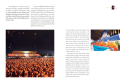
Global Meditation at Maha Dhammakaya Cetiya
The OCR result from the image is:
"The day 1,000,000 people from over the world come to meditate at Maha Dhammakaya Cetiya will be the day that the people of the world will stop. think and ask themse
The gathering of 1,000,000 people at Maha Dhammakaya Cetiya is a significant event, prompting reflection on collective spirituality. The location features Memorial Halls for paying respect and support
74
Youths and the Future of World Peace
Youths and the Future of World Peace
Luang Phaw Dhammajayo pays special attention to resolving youths’ problems since they are the future of the world. World peace is definitely out of reach if our n
Luang Phaw Dhammajayo emphasizes the importance of addressing the issues faced by youth, who are pivotal to the future of world peace. He believes that if the upcoming generation is inclined toward ne
127
The Importance of Studying Lord Buddha's Teachings
During the course of their education, Luang Phaw Dhammajayo would like students to see the value of their studies of the Lord Buddha’s teachings, and wants them to be proud and love their studies. Mor
Luang Phaw Dhammajayo emphasizes that students should value their studies of the Lord Buddha's teachings and take pride in it. He encourages them to study diligently and understand the truth of Buddhi
130
Systematic Training Programme for Spreading Buddhism
The Systematic Training Programme for Spreading Buddhism began in 1999-2007, with a total of 71 classes completing the Programme. There have been 8.090 monks from 5.833 temples, from across the countr
The Systematic Training Programme for Spreading Buddhism, initiated from 1999 to 2007, has successfully trained 8,090 monks from 5,833 temples across Thailand, promoting the teachings of the Buddha. T
131
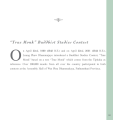
การประกวดศึกษาพุทธศาสตร์ "พระภิกษุที่แท้จริง"
“True Monk” Buddhist Studies Contest
On April 22nd, 1999 (2542 B.E.) and on April 22nd, 2001 (2544 B.E.), Luang Phaw Dhammajayo introduced a Buddhist Studies Contest, “True Monk” based on a text “Tru
ในวันที่ 22 เมษายน 2542 และวันที่ 22 เมษายน 2544 หลวงพ่อธรรมชัยได้จัดการประกวดศึกษาพุทธศาสตร์ "พระภิกษุที่แท้จริง" โดยอิงจากเนื้อหาในพระไตรปิฎก มีพระภิกษุเข้าร่วมมากกว่า 100,000 รูป ณ ศาลาการเปรียญวัด
180
Honorary Recognitions of Phrarajbhavanavisudh
Honorary Doctorate Degree in Buddhist Studies from Mahachulalongkorn Rajavidyalaya, Bangkok (under H.M. the King’s patronage), given to Phrarajbhavanavisudh (Venerable Dhammajayo Bhikkhu).
Received De
Phrarajbhavanavisudh, also known as Venerable Dhammajayo Bhikkhu, received significant honors for his contributions to Buddhist studies and social work in Thailand. He was awarded an honorary doctorat
224
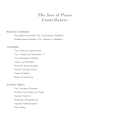
The Sun of Peace
The Sun of Peace
Contributors
Honorary Consultants:
Pharajbhavanavisudh (Ven. Dhammajayo Bhikkhu
Phrabhavanaviriyakhun (Ven. Dattaejevo Bhikkhu
Consultants:
Ven. Chatchai Chattanchayo
Ven. Amnuaysak
The Sun of Peace is a significant compilation of insights and teachings from prominent figures in the Buddhist community. This book brings together various perspectives on achieving peace through Budd
227
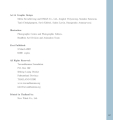
Art & Graphic Design Contributions
Art & Graphic Design:
Metta Suvachitvong and DM&S Co., Ltd., Jongkol Viriyawong, Sumalee Kruawan,
Tanit Chokpitaporn, Suvit Klubsri, Sakon Lersin, Duangrudee Amnuayveroj
Illustration:
Photographic Ce
This publication presents an overview of artistic contributions by notable individuals such as Metta Suvachitvong and collaborating companies like DM&S Co., Ltd. The content emphasizes graphic design,